

Contributors
-
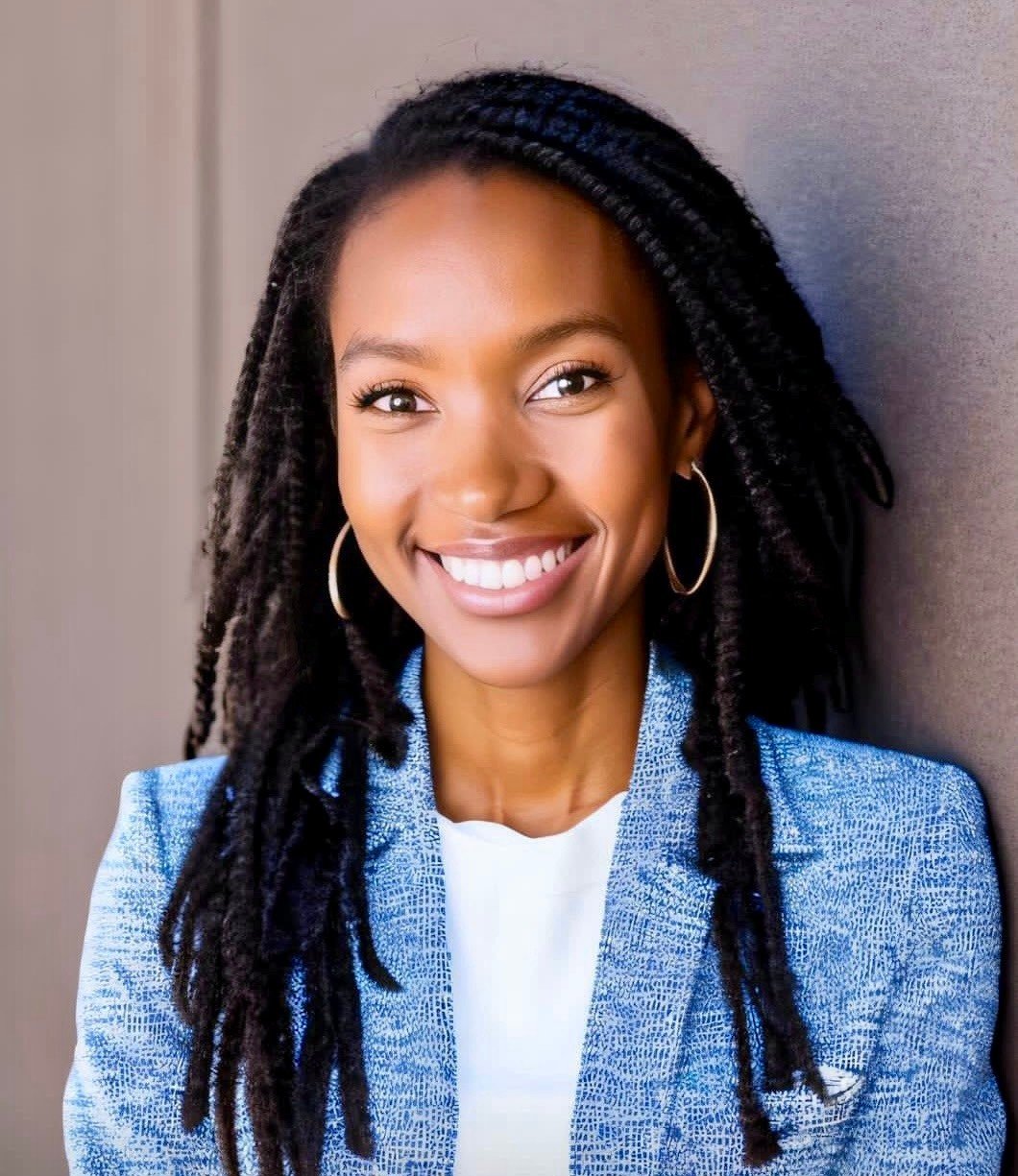
Thobile Chittenden is a Network Co-Lead at the Wellbeing Economy Alliance, working at the intersection of economic systems change, storytelling, and global–local mobilisation. She convenes and connects actors across policy, civil society, and community contexts to advance more just and sustainable economic approaches.Her work is informed by Afrikan perspectives, relational approaches to wellbeing, and a commitment to future generations. She also brings an integral, faith-informed lens to economic transformation, exploring the role of values, meaning, and spirituality in shaping systems.
She previously served as CEO of Makers Valley Partnership and currently serves on the boards of CityKidz inner-city school and Down2Earth Agroecology.
-
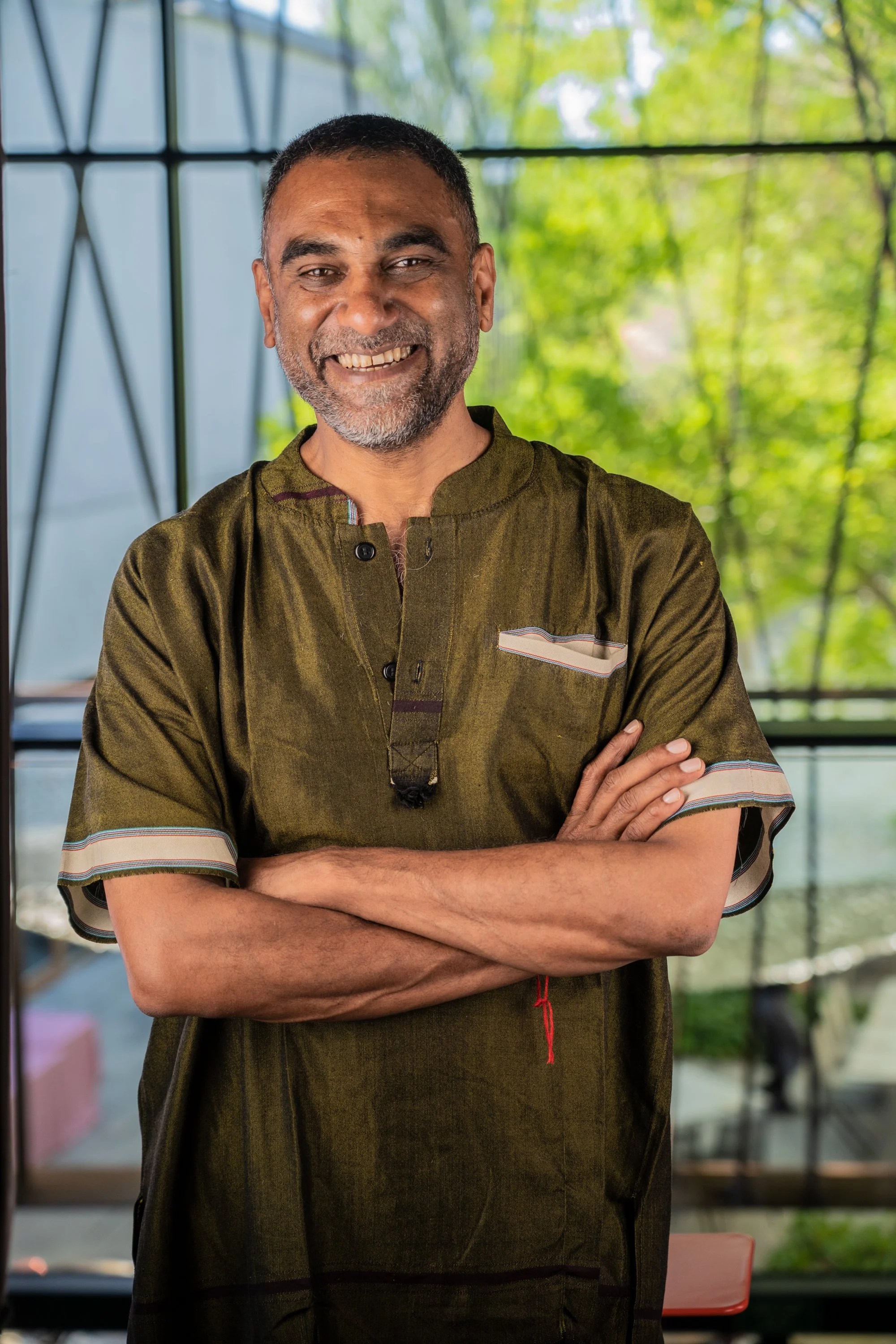
Kumi Naidoo is a South African human rights and environmental justice activist, who is currently the President of the Fossil Fuel Treaty Initiative. He is the former Secretary-General of Amnesty International (2018-2020) and the first person from the Global South to lead Greenpeace International (2009-2015). He is an advisor for the Community Arts Network and serves as a global ambassador for Africans Rising for Unity, Justice, Peace and Dignity. His family started the Riky Rick Foundation for the Promotion of Artivism to build on the positive legacies left by popular South African rapper Rikhado “Riky Rick” Makhado through his music and life’s work. Through this Foundation, he co-founded the Global Artivism Initiative. Kumi is also the author of award-winning Letters To My Mother: The Makings of a Troublemaker and the host of the podcast Power, People and Planet.
-
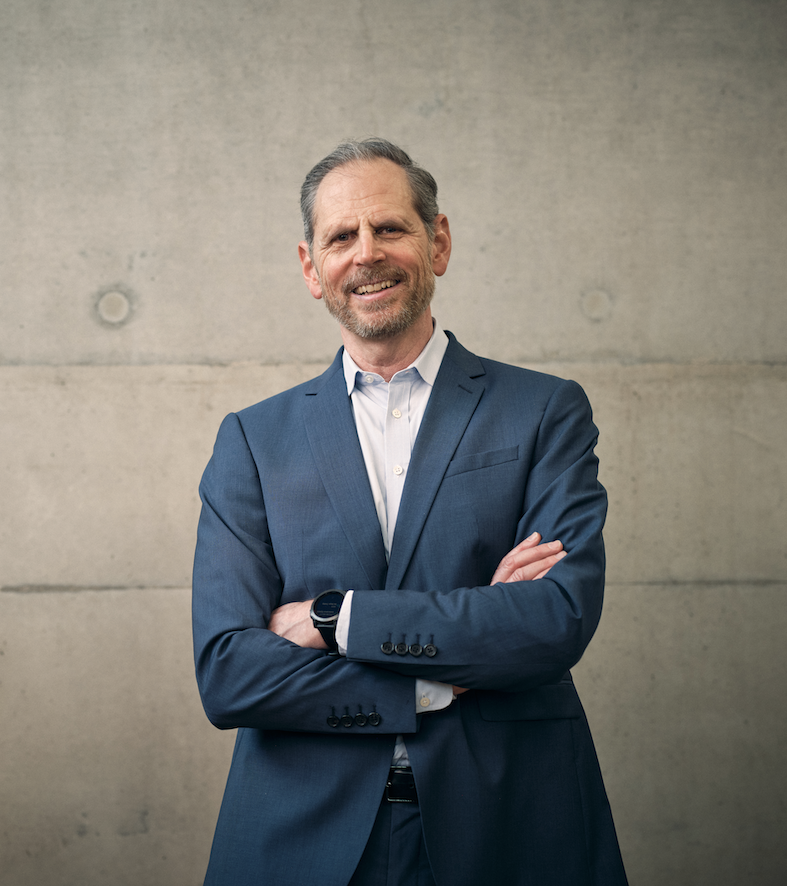
Eric Beinhocker is a Professor of Public Policy Practice at the Blavatnik School of Government, University of Oxford. He is also the Executive Director of the Institute for New Economic Thinking at the University’s Oxford Martin School and an External Professor at the Santa Fe Institute.
Prior to joining Oxford, Beinhocker had an 18-year career at McKinsey & Company where he was a partner. Beinhocker writes frequently on economic, business, and public policy issues and his work has appeared in the Financial Times, Wall Street Journal, Bloomberg, The Times, the Guardian, The Atlantic, the Washington Post, and he is the author of The Origin of Wealth: The Radical Remaking of Economics and What It Means to Business and Society. Beinhocker is a graduate of Dartmouth College and the MIT Sloan School.
-
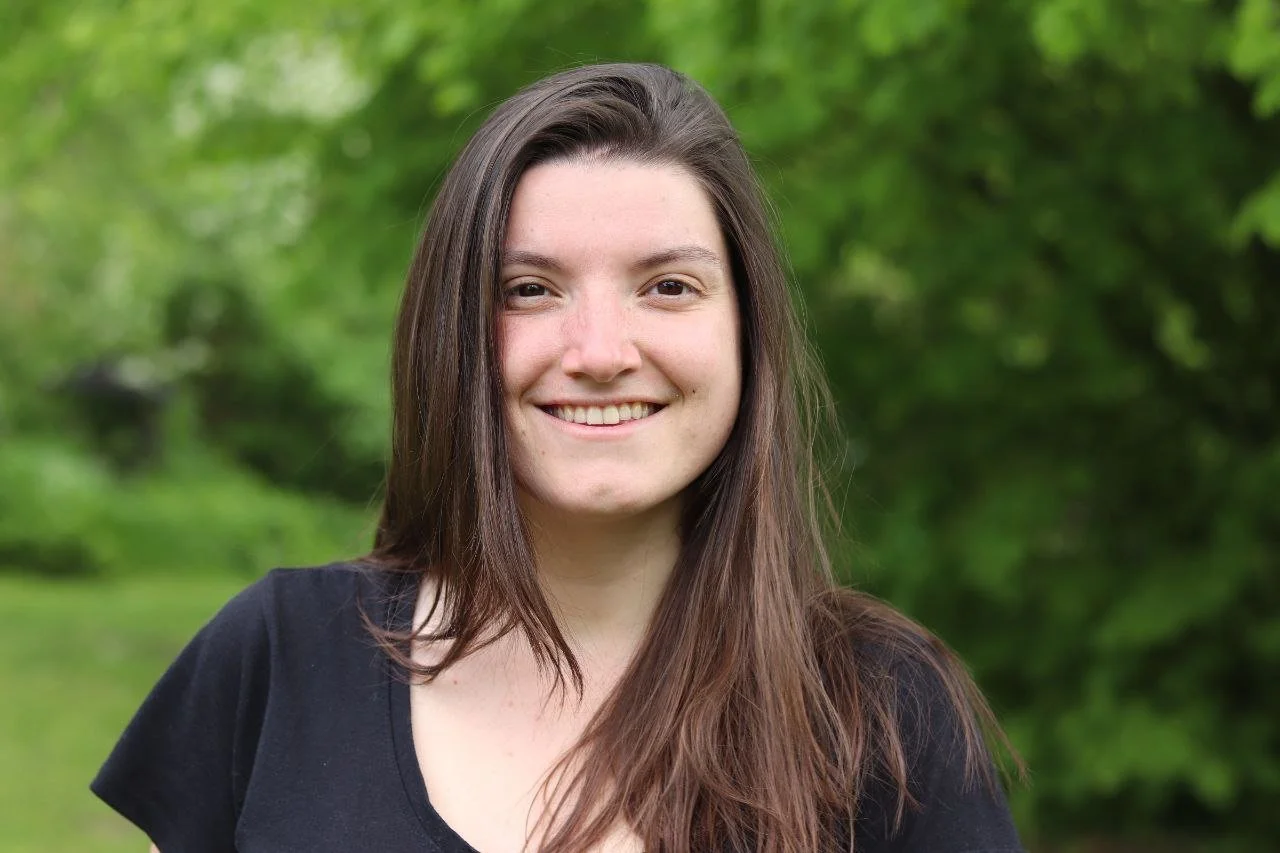
Maike Kauffmann is Co-Lead of the Purpose Foundation, making steward-ownership more known and accessible worldwide. With a background in Business and Ecological Economics, she is looking for ways to leverage the positive power of entrepreneurship to solve societal problems. As a board member of the Foundation for Steward-Ownership, Maike is also working for policy changes to make steward ownership more easily implementable.
-
Adrian Hensen is Co-Founder of the Purpose Group, which coined the term steward ownership and is dedicated to advancing the idea.
As CEO and steward of the Purpose Foundation, Adrian works to make steward ownership globally known and accessible for entrepreneurs and investors. The Purpose Foundation works for a widespread and healthy adoption of steward ownership worldwide to leverage its greater potential for people, planet and society. With his work at Purpose, Adrian wants to help shift narratives and mental models towards more pluralistic, purpose- and stewardship-driven thinking and practice in economy and society.
-
Cristian Gil-Sánchez is a colombian economist by training, researcher by curiosity and designer by necessity . Msc in City Design (LSE). He is the cofounder and creative director of Acción Pública, a colombian-based think-do tank created to habilitate new economies from the Global South.
He has experience from design, implementation and evaluation of innovative interventions within different contexts/sectors. Cristian's expertise in public and grassroots innovation, solution mapping, and design to foster transformation, coupled with his focus on new economic approaches, significantly enhances the project by driving effective approaches to urban and social challenges.
He designed Melting Planet as a simple but profound tool to experience a mindset shift from competitive to cooperative behaviors.
-
Economist and cooperativist holding a PhD in Management and Quality Sciences specializing in digital economy and data governance. Co-President of the Polish Economics Network and CEO of PLZ Cooperative, operator of CoopTech Hub. Founder and 2015-2020 Board Chairman at Instrat, a progressive policy think-tank.


-
Joy Njeri Njihia is a Regenerative Systems Doula and co-founder of Ntulea Africa, a regenerative practice rooted in Kenya. She convenes communities, institutions, and funders to reweave relationships between people, place, and power through indigenous wisdom, participatory practice, and storytelling, growing community-led futures.
-
Cyrus Mbugua Kimani is a Co-Founder and Strategic Weaver of Ntulea Africa, with skills spanning strategic consulting, social enterprise and cross-sector partnerships, he helps businesses and organisations apply Doughnut Economics (Alternative Economic Models) to their own deep design, moving beyond sustainability-as-usual toward models that are truly regenerative and distributive.
-
Hrishabh Sandilya is Co-Director of EPIM, the European Philanthropic Initiative for Migration, and Co-Founder of ReImagined Futures. His work spans migration, philanthropy, climate, and systems change across Europe, Asia, and the Middle East. He advises international initiatives on democracy, belonging, and civic futures.
-
Alexandra Stef designs experiments in collective agency. Through Collective Futures, she creates rehearsals for emergent forms of civic life.
Her practice is rooted in community organising, community philanthropy, civic innovation and place-based work, exploring how communities discover they can act together amid profound ecological, technological and democratic change.
-
Naila Kabeer is Professor Emeritus of Gender and Development at the London School of Economics and a leading feminist economist. Her research on gender, labour, poverty and wellbeing has shaped international debates on economic justice and social policy. She currently serves on the UN Secretary-General’s High-Level Expert Group on Beyond GDP, helping to advance new approaches to measuring economic progress and human wellbeing.
-
Laura Alfers is the International Coordinator of WIEGO (Women in Informal Employment: Globalizing and Organizing), a global network supporting workers in informal employment. Her work focuses on worker organising, social protection, economic justice and labour rights. She has spent over 15 years working alongside organisations of workers in informal employment.
-
Carol is the Co-Director of das momentum/OMNI and works with Movement Hub as an advisor in relation to organizing and fundraising. Previously she has worked in disaster recovery, peace building and for a Trade Union, mainly in Germany and Australia but also in Ukraine.
-
Anna Schueler is the Co-Founder of Movement Hub and is building out the organising infrastructure there.
-
Sebastian Mang is Executive Director of Prosper, a Brussels-based think tank working to turn progressive economic ideas into political power. He previously led the European Programme at the New Economics Foundation, advised the Greens/EFA group in the European Parliament, and served as climate politics lead at Greenpeace. He has written on EU fiscal rules, public investment, industrial policy, and the politics of the green transition.
-
Vesna Jusup is Director at the European Center for Digital Action (ECDA), a Brussels-based non-profit supporting progressive parties, NGOs, and advocacy campaigns with digital organising, fundraising, and capacity building across Europe. She previously worked at the European Green Party, where she led the Policy, Strategy and Capacity Development Unit, and earlier coordinated the Cooperation and Development Network Eastern Europe. Originally from Serbia and based in Belgium, she serves on the Board of the Green European Foundation and works as a facilitator and trainer on political strategy, organisational development, leadership, and digital campaigning.
-
Tanja Brumbauer (NELA) is an economist and facilitator working at the intersection of labour and the environment. She builds alliances between trade unions and environmental actors, designing co-creative processes that foster dialogue, trust, and collaboration across sectors to advance a just ecological transition.
-
Hannah Strobel (NELA) is a sociologist and facilitator specializing in sustainability and transformation strategies. She founded four sustainability organizations and is passionate about designing participatory processes for socio-ecological transformation. Her work focuses on inclusive participatory processes, conflict management, new economic thinking, Doughnut Economics, and sustainable regional development.

-
Dr Donnie Maclurcan is Co-founder and Director of Strategy at the Post Growth Institute. Originally from Australia, he has spent the last 5 years in Argentina and is in the process of moving to the Netherlands. Creator of the Offers and Needs Market methodology, Donnie is passionate about mutual aid and writing a capella birthday songs for friends.
-
Dr Charmaine Blaize is a Trinidad and Tobago-born coach, consultant and facilitator based in Scotland. With a PhD in Health Care Management, she champions community wealth building through the Offers and Needs Market. She co-founded Women of Colour Scotland and supports communities to turn shared strengths into collective action.
-
Brontie is the Managing Director of Lawyers for Nature and a leading sustainability and Rights of Nature advocate, recognised as one of Vogue Business' 100 Innovators of 2024. She was a lead legal architect of Faith in Nature's pioneering Nature on the Board initiative and became the first legal guardian representing Nature on a corporate board. Drawing on her background as a solicitor, legal academic, and non-executive director, Brontie works to embed Nature's rights into governance, helping organisations develop legal frameworks that support a just and sustainable future.
-
Jessie is a Director at Lawyers for Nature, where she works to advance the recognition of Nature's rights within legal and governance systems. A qualified barrister and environmental lawyer, she combines experience in criminal, family, and regulatory law with a master's in Environmental Law from SOAS University. Jessie helped lead the successful "We Are Nature" campaign, which prompted the Oxford English Dictionary to broaden its definition of "Nature" to include humans. Her work also explores the intersection of Rights of Nature and Indigenous rights to support more inclusive, nature-centred decision-making.
-
Michael Mezzatesta is a communicator working at the intersection of economics, climate, and culture. His work reaches tens of millions of viewers each month and is known for translating complex ideas into clear, compelling stories for a new generation. He hosts the Better Future podcast and leads Better Future Media, a media brand that builds narratives to help shift culture away from extractive systems and toward a more regenerative future.
-
Lotte Dohmen is a Community Organizer, involved in political education as well as cultural work. She is active in the tenants' movement in Dresden with a focus on collective organizing across divisive narratives.
-
Imogen is the Head of Aletheia Research at Mandate. She looks after the Aletheia subscriber programme, which is the longitudinal, cross-country research arm of Mandate serving our philanthropic and civic partners. Imogen has a history in counter-extremism research, where she focused on the far-right and incel community. Prior to that she worked as a journalist.
-
Celine Charveriat has 30 years of experience in sustainability and systemic change. After starting her career at the Peterson Institute and the Inter-American Development Bank, Celine worked for 15 years at Oxfam International. She then become the executive director of the Institute of European Environmental Policy. Two years ago, Celine created Pro(to)topia, a not-for-profit think and do network, dedicated to imagineering green caring futures. She is an adjunct professor at Sciences Po Paris, the chair of the Board of Climate Catalyst, and on the advisory boards of the Climate and Care initiative and the Climate Justice Impact Fund for Africa. She is a coauthor of New Metrics for Sustainable Prosperity: Options for GDP+3 and the Role of a reformed European Semester within a new sustainable economic strategy.
-
Georgia Haddad Nicolau is a Brazilian social innovator working at the intersection of the care economy, the commons, and climate justice. She is Co-founder and Executive Director of Instituto Procomum, an organization building infrastructures for collective life and commons economic alternatives across Brazil and the Global South. Her career spans public leadership — including roles as Director of Innovation and Deputy Secretary for Creative Economy at Brazil's Ministry of Culture — and grassroots institutional development with social organizations across Latin America. Georgia is an Atlantic Fellow for Social and Economic Equity (LSE), an alumni of the EU's Global Cultural Leadership Program, and a founding member of Global Innovation Gathering. She co-edited Sensing Earth: Cultural Quests Across a Heated Globe and authored Commons Now: Latin American Spells for Collective Action, and was featured in Generation Share. She works to put life — in all its diversity — at the center of the systems we build.

-
Adrienne Buller is Founding Editor of The Break—Down, a non-profit media initiative focused on the political, cultural and economic dimensions of the climate and nature crises. She is an Associate Fellow at Common Wealth and author of the award-winning The Value of a Whale (Manchester UP, 2022) and, with Mathew Lawrence, Owning the Future: Power and Property in an Age of Crisis (Verso, 2022).
-
Emily is the Head of Policy and Advocacy at the NGO Global Witness.
With a background in heritage and European labour law, Emily first began working on environment and climate issues a decade ago as the chief policy advisor to the Vice Chair of the European Parliament’s Environment committee.
She has specialised in European climate and sustainability policy, playing a decisive role in forming the EU’s Sustainability strategy, which eventually led to the European Green Deal. In recent years she has turned her expertise towards the geopolitics surrounding critical minerals and the energy transition.
-
Isabel is an institutional and development economist focusing on the dynamics of economic transformations, nature-economy relationships, and green transitions. Her background combines academic research and years of experience advising governments and advocacy organizations on the design of transformative industrial policies to promote human and ecological flourishing. She is Co-Executive Director of the industrial policy think tank i3T and a Fellow at the Climate and Community Institute.
-
Damon Aitken is a Research Fellow in Macrofinancial Policy for the Green Transition at the UCL Institute for Innovation and Public Purpose (IIPP). His research is broadly on the topic of how macroeconomic conditions and policies will affect the green transition with a particular focus on centring nature while incorporating insights from ecological science and ecological economics. A particular focus of recent research has been on how nature loss poses systemic challenges to inflation management and the development of alternative approaches. He has submitted a PhD in Economics at SOAS University of London and also holds a Bachelors degree from New York University and Masters degrees from the University of Hong Kong and SOAS University of London.
-
David is a Senior Policy Fellow at the LSE and Head of CETEx’s monetary policy programme. His work focuses on climate change, price stability, and central banks. He was previously Head of Research at Positive Money, and he is currently pursuing a part-time PhD in Economic Policy and Political Economy at UCL.
-
Maike Schmidt is an assistant researcher at the New Economics Foundation and is based in Brussels. Her work focuses on European monetary and fiscal policy change and public and private finance. She has previously held multiple research positions and completed an EPOG master’s degree, which takes a pluralist and interdisciplinary approach to economics.
-
Fernanda Balata is a political economist, writer and strategist. She is a Visiting Fellow at UNRISD and Associate Fellow at the New Economics Foundation. Her research explores how concentrated wealth and power shape governance, and how societies can strengthen democratic capacity to enable more just and sustainable economic transformation.
-
Katja Meier is screenwriter and founder of Zenka Films. $HARE, a TV series set in the mining world about a woman using inherited wealth to transform the system, is itself structured as a steward-owned cooperative—and has attracted Golden Globe–winning Hollywood talent despite its radical production and ownership model. Rather than retrofit impact into conventional filmmaking, $HARE tests whether stories and the companies that make them can be owned and financed equitably.
-
Zoe is Managing Director at the ZOE Institute for future-fit economies. In her time with ZOE, she has led their engagement in the 2023 flagship Beyond Growth conference in the European Parliament, Horizon Europe funded research projects in the area of Beyond GDP, and advised on strategy and impact in various economic policy areas. Prior to ZOE, she worked at the Institute for Global Dialogue in South Africa where she published on geopolitical tensions around the climate emergency. Zoe has also worked in business consulting in Vienna. She holds a Master's degree in development studies from Lund University.
-
Clara Leonard co-founded Institut Avant-garde, a French think tank on public finance, macroeconomics and ecological transition, designing long-term reforms that endure politically.
-
Carolina Ortega Guttack is Director of Research at FiscalFuture (Germany), working on sustainable fiscal policy and fiscal rules, previously fiscal policy officer in the Schleswig-Holstein Parliament.
-
Born in Belgium, Niels Devisscher is a Berlin-based collage artist, fine art photographer, and writer. He has worked with select organizations responding to the climate emergency and ecological crises as an independent communications designer and visual artist.
Niels' visual language draws from myth and folklore and combines digital and analog collage. The worlds he builds move beyond engineered reality and synthesize desirable futures where humans live in alignment and coherence with companion species. In his visual language, humans reside in trees, and butterflies and fungi outsize humans, materializing into what he calls “Ecological Surrealism”.Since 2022, Niels has been working as an independent visual artist and communications designer. Together with his fiancé and co-founder, Rūta Žemčugovaitė, he founded Sympoeisis — an experience and design lab for regenerative futures. They have since welcomed more than a hundred participants in their multi-species imagination and storytelling workshops, and their practice has been included in Joseph Rowntree Foundation’s the Collective Imagination Toolkit.